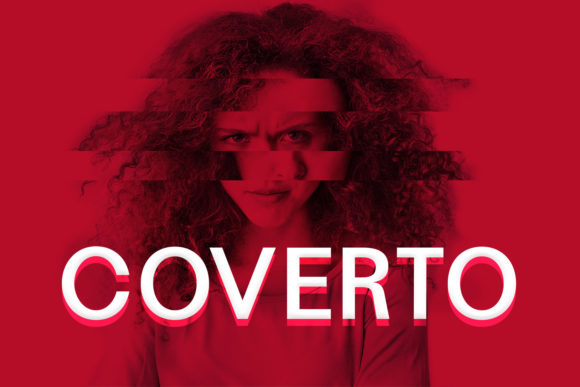
Coverto: A Modern Display Font That Elevates Your Brand
As a small business owner, I’ve learned that every detail counts when it comes to building a brand that stands out. From packaging to social media posts, your visual identity needs to feel cohesive and professional. That’s where Coverto comes in—a clean, modern display font that brings a touch of sophistication and clarity to any brand material.
Coverto isn’t just another pretty font. It’s designed with purpose. Its minimalist structure and crisp lines make it ideal for headlines, logos, and branding elements where clarity and style are equally important. Whether you're launching a new product line or redesigning your website, Coverto adds a modern edge that resonates with today’s design-savvy customers.
Why Font Choice Matters for Small Businesses
Your brand’s font is more than a design detail—it’s part of your identity. The right typeface can make your business feel trustworthy, creative, or luxurious, depending on how it’s used. Coverto strikes a balance between modernity and approachability, making it a versatile choice for entrepreneurs across industries.
For example, a boutique owner might use Coverto for a logo that needs to feel elegant yet accessible. A candle maker could apply it to product labels to give handmade items a polished, market-ready look. And for digital creators, Coverto works beautifully in Instagram stories and Pinterest graphics, helping content feel more cohesive and visually appealing.
Real-World Uses for Coverto in Branding
- Logo Design: Coverto’s clean lines and modern structure make it a great choice for logos that need to feel both professional and contemporary.
- Packaging Design: Whether it's a coffee sleeve, candle label, or skincare product box, Coverto adds a touch of refinement that makes your product stand out on shelves or in photos.
- Social Media Graphics: From Instagram carousels to Pinterest pins, this display font helps your visual content feel more branded and intentional.
- Website Banners: Use Coverto for headlines and call-to-action buttons to create a visually striking and readable web presence.
- Printed Materials: Flyers, menus, and thank-you cards benefit from Coverto’s legibility and stylish appearance, even in smaller print sizes.
How Coverto Helps You Build a Consistent Brand
Consistency is key to brand recognition. When you use the same font across different touchpoints—like your website, packaging, and social media—you create a visual thread that customers can easily recognize. Coverto supports this by being adaptable yet distinct. Whether you're printing business cards or designing digital ads, this font maintains its character while fitting into a variety of layouts.
Imagine using Coverto for your café’s menu, loyalty cards, and online ads. Every time a customer sees that same font, they’ll subconsciously connect it to your brand. That kind of visual repetition builds trust and familiarity, which are essential for small businesses trying to stand out in a crowded market.
When to Use Coverto—and When Not To
Coverto shines as a headline or accent font. It’s best used in situations where you want to draw attention without overwhelming the design. For longer blocks of text, such as website body copy or product descriptions, pairing Coverto with a more readable sans serif or serif font ensures your message stays clear and engaging.
For example, if you're designing a flyer for a wellness retreat, use Coverto for the event title and pair it with a soft sans serif for the details. On your website, feature Coverto in your logo and navigation menu, and use a simpler font for blog posts and service descriptions.
Readability Across Different Mediums
One of the most important considerations when choosing a font is readability. Coverto is designed to be legible at various sizes, making it suitable for small product labels, mobile screens, and printed packaging. It holds up well in both digital and physical formats, ensuring your brand looks sharp no matter where it appears.
When I used Coverto for a line of greeting cards, I was impressed with how well it scaled down for small envelopes and how bold it looked on social media thumbnails. This versatility makes it a reliable choice for business owners who need a font that works across multiple platforms and formats.
Testing and Experimenting with Coverto
Before committing to a font across your entire brand, it’s smart to test it in different contexts. Many font marketplaces offer previews or demo versions of Coverto so you can see how it looks in your specific design files. Try it out on a mock-up of your product packaging or a sample social media post to get a real sense of how it performs.
Don’t be afraid to experiment with different weights or spacing. Sometimes adjusting the kerning or letter case can dramatically change how a font feels in your design. The goal is to find a version of Coverto that aligns with your brand’s tone while staying functional and readable.
Simple Font Pairing Ideas with Coverto
Pairing fonts can elevate your design without complicating your brand identity. Since Coverto is a display font, it pairs well with simpler, more neutral typefaces. Try these combinations:
- Coverto + Open Sans: A clean sans serif that keeps your layout modern and easy to read.
- Coverto + Playfair Display: For a more elegant, editorial look—perfect for fashion or lifestyle brands.
- Coverto + Lora: A readable serif font that balances Coverto’s bold presence in print and digital designs.
These pairings help you maintain visual interest while ensuring your content remains accessible and professional.
Check Licensing Before You Launch
Before using Coverto on products, packaging, or marketing materials, always verify the font’s licensing terms. Most premium fonts come with commercial licenses that allow use in branding, but it’s important to confirm the scope—especially if you’re selling merchandise or creating templates for clients.
I once almost used a font in a product label design, only to realize the license didn’t cover merchandise sales. A quick check saved me from potential legal issues and helped me make a better-informed decision. Always read the fine print to protect your business and ensure your design assets are fully compliant.